
Milwaukee, WI · Printing Industry
Aalberts Surface Technologies is a leading manufacturer of laser-engraved anilox rolls and sleeves, serving the flexographic and offset printing markets for over 30 years. Precision ceramic coating. Fiber-optic laser engraving. Full on-site machine shop.
About the Service
Aalberts Surface Technologies has been manufacturing and servicing anilox rolls and sleeves for the flexographic and offset printing markets for more than 30 years. That depth of experience, combined with our investment in the latest coating, engraving, and inspection technologies, makes us a trusted partner for printers that need reliable, repeatable ink and coating metering.
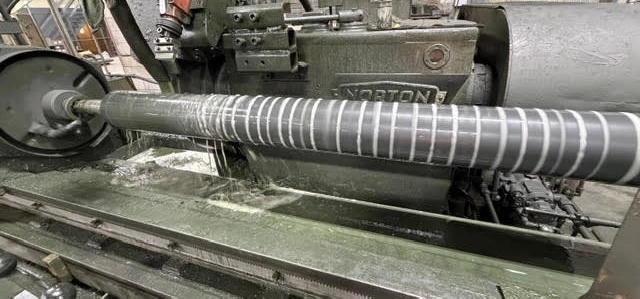
We offer new rolls and sleeves manufactured complete, and we maintain a full on-site machine shop to resurface existing rolls and sleeves. Whether you need a precision replacement or want to restore a worn roll to original specifications, our team has the equipment and expertise to deliver.
For printers running demanding applications — fine process work, heavy adhesives, specialty coatings — the right anilox specification is the difference between consistent quality and chronic press problems. Aalberts can help you get there.
Technical Overview
An anilox roll is a precision metering cylinder. Its surface is engraved with millions of microscopic cup-shaped cells. Those cells pick up ink or coating from a chambered doctor blade system, which meters the surface so that only ink trapped inside the cells is carried forward. That ink is then transferred to the printing blanket or plate at a controlled, repeatable volume.
The engraving specification — cell volume, screen ruling (lines per inch or centimeter), and cell angle — directly controls how much ink is delivered per unit area. Selecting the right engraving for your ink viscosity, coating type, and substrate is one of the most important factors in press performance.
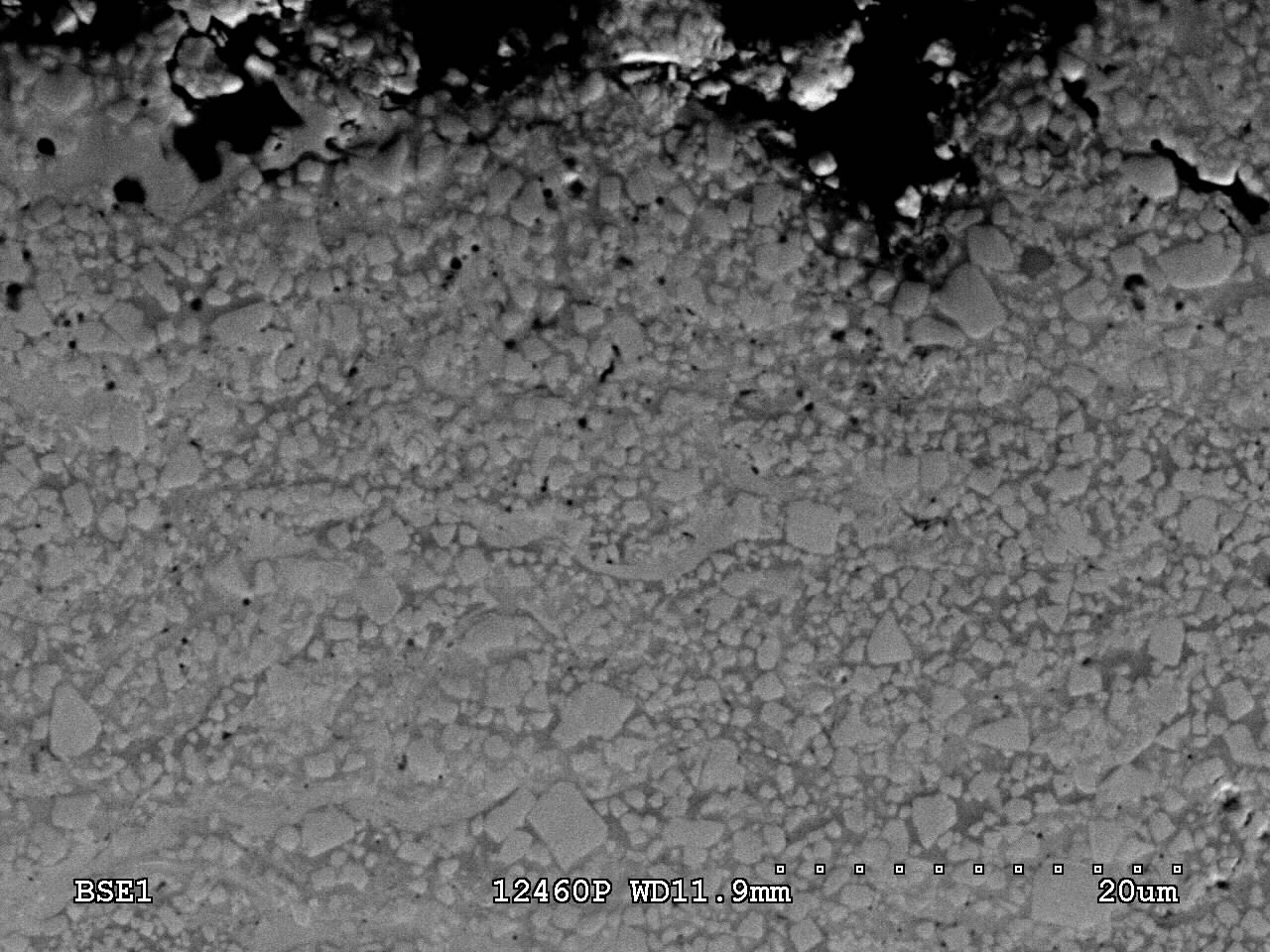
Before engraving, a hard ceramic layer — typically chromium oxide — is plasma-sprayed onto the steel or aluminum core. This ceramic provides the hardness needed to survive continuous doctor blade contact and resist abrasive wear from inks and coatings. At Aalberts, our ceramic is tested in-house to 1,400 Vickers hardness with 2% or less porosity, ensuring a dense, consistent surface for precise cell formation during laser engraving.

What We Offer
We manufacture new anilox rolls and sleeves to your specifications — from core fabrication through ceramic coating and laser engraving. All rolls are inspected and certified before delivery.
Our on-site machine shop strips worn ceramic, regrids the core as needed, applies fresh coating, and re-engraves to your specified cell geometry — restoring performance to like-new standards at a lower cost than replacement.
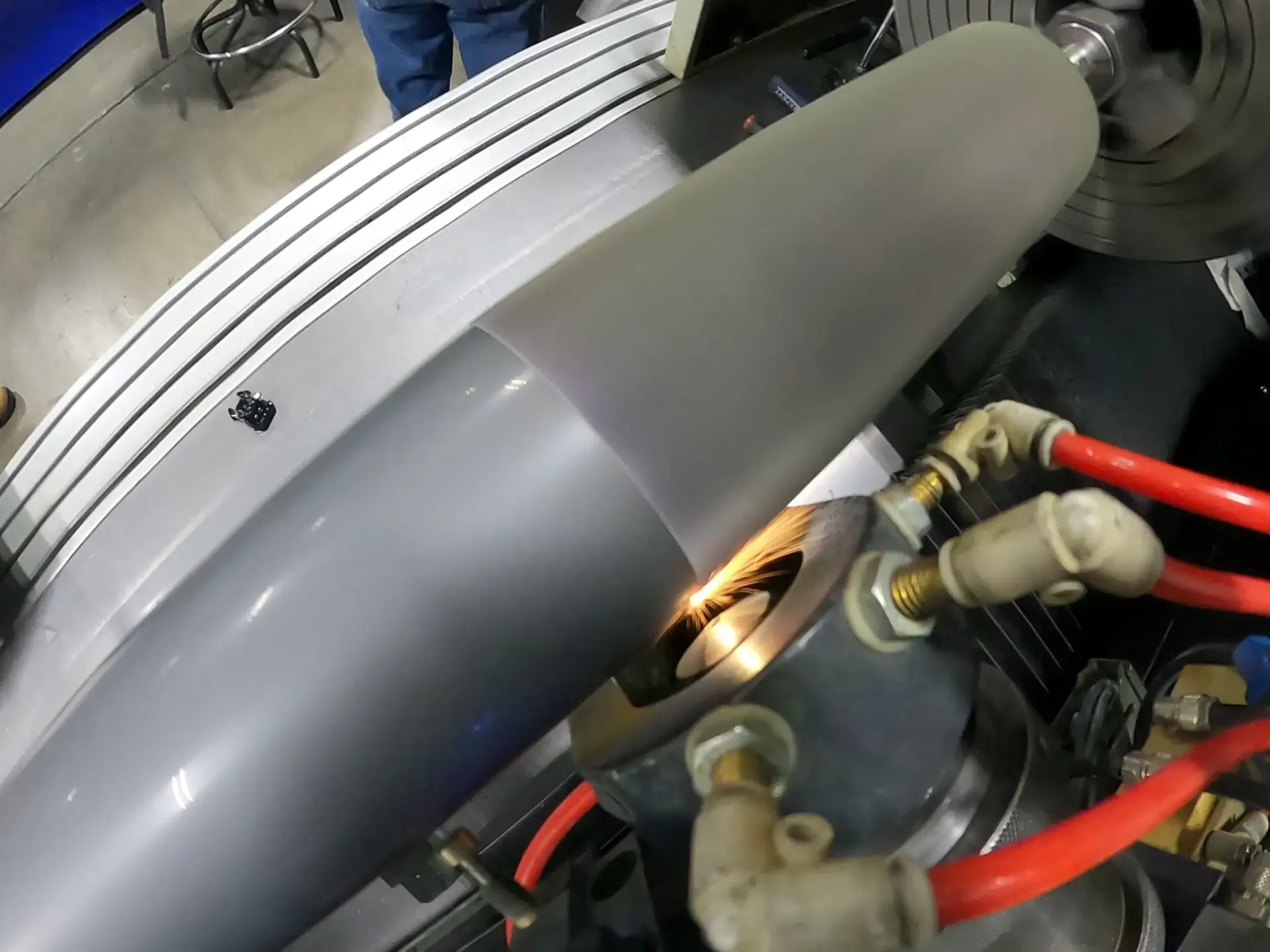
Our fiber-optic laser systems support standard cell geometries as well as specialty engravings optimized for fine process printing, heavy adhesive metering, and other demanding applications.
Beyond anilox rolls, Aalberts applies engineered coatings to other printing components including idler rolls and ink pans — extending service life and reducing maintenance intervals.
Get Started
Answer a few quick questions and we'll match you with the right solution. Takes about 60 seconds.
Step 1 of 5
Here's a summary of what you shared:
A member of our team will follow up with you shortly. If you need to reach us sooner, visit our contact page.
Our Process
Every anilox roll that leaves our facility follows a controlled process designed to ensure dimensional accuracy, coating integrity, and engraving precision.
The steel or aluminum core is machined to dimensional specification and surface-prepared for coating adhesion. Worn rolls are stripped and assessed before recertification.
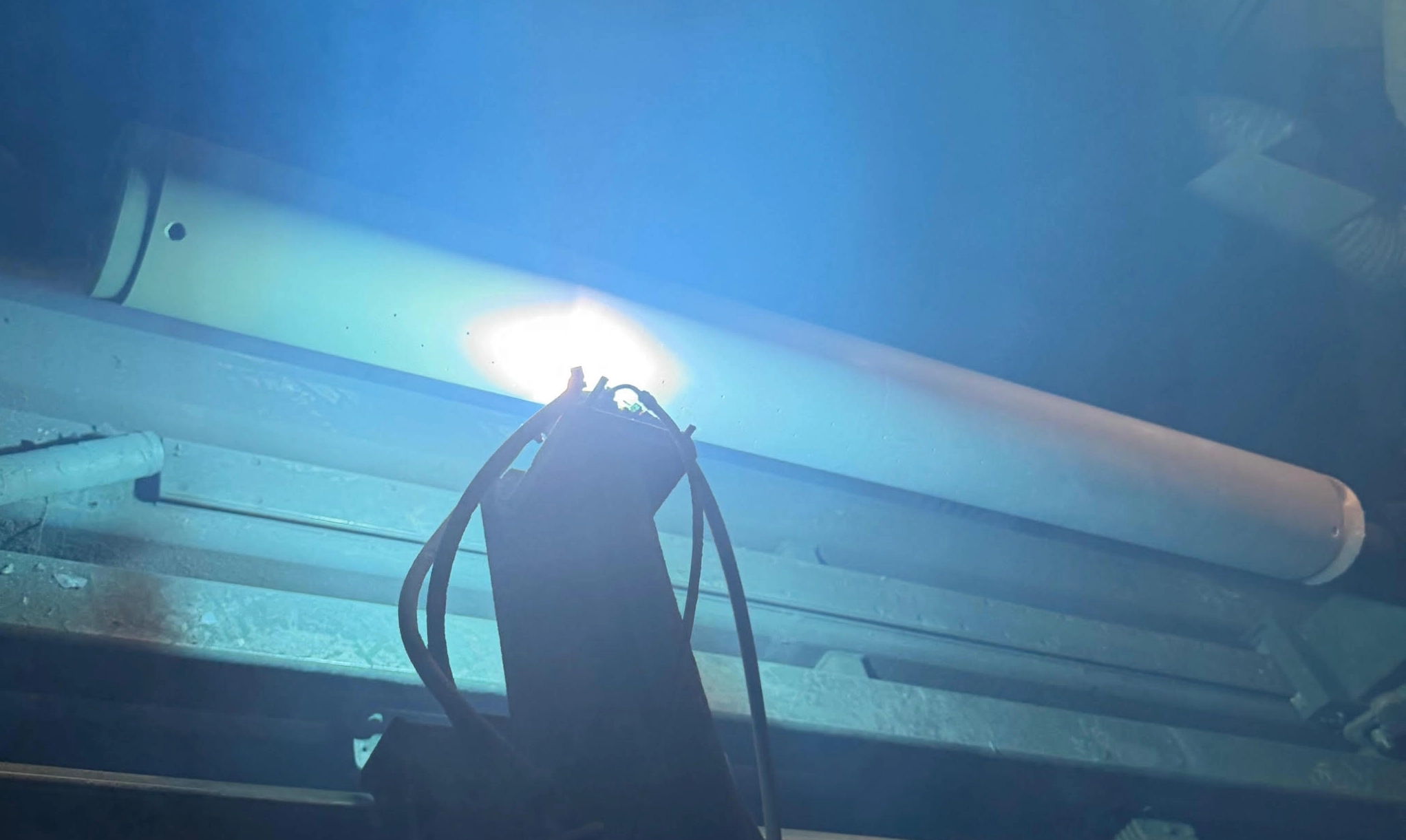
Chromium oxide ceramic is plasma-sprayed onto the core and brought to 1,400 Vickers hardness with 2% or less porosity, verified in our on-site metallurgical lab.
Our latest fiber-optic laser systems engrave cells to your specified geometry — standard or specialty — with consistent wall definition and cell volume.
Every engraving is measured and certified using a MicroDynamics inspection system, providing documented cell volume and geometry data for your records.
Technical Data
Printing presses are built to precise tolerances. Your anilox roll specifications should match. Every roll we produce is documented, inspected, and certified before it ships.
| Parameter | Specification | Significance |
|---|---|---|
| Ceramic Coating Material | Chromium Oxide | Hard, wear-resistant surface for long service life |
| Ceramic Hardness | 1,400 Vickers | Resists doctor blade wear and mechanical damage |
| Ceramic Porosity | 2% or less | Dense surface for accurate, defect-free engraving |
| Engraving Technology | Fiber-Optic Laser | Precise cell geometry; supports specialty engravings |
| Engraving Types | Standard & Specialty | Covers fine process, adhesive, and general metering |
| Inspection System | MicroDynamics | Certified cell volume and geometry readings |
| Product Types | Rolls & Sleeves | New manufacture and resurfacing available |
| Markets Served | Flexographic, Offset | 30+ years serving the printing industry |

Why Aalberts
Aalberts Surface Technologies has been serving the flexographic and offset printing markets for over 30 years. That history means we understand the demands of production printing — tight schedules, demanding specifications, and the cost of downtime when a roll fails or underperforms.
Our team can help you select the right engraving specification, evaluate a worn roll for resurfacing, or quote a new roll or sleeve. Let's talk.
contact our teamFAQ
An anilox roll is a precision metering cylinder used in flexographic and offset printing presses. Its surface is laser-engraved with tiny cup-shaped cells that hold and transfer a precise, measured amount of ink or coating to a printing blanket or plate. The cell geometry — volume, angle, and line count — determines how much ink is delivered, making the anilox roll the critical control point for print quality and consistency.
Aalberts uses the latest fiber-optic laser systems for precise engraving of both standard and specialty cell geometries. Our ceramic coating is verified in-house to 1,400 Vickers hardness with 2% or less porosity, and all engravings are certified using a MicroDynamics inspection system. We also maintain a full on-site machine shop, so new manufacturing and resurfacing are handled under one roof.
Yes. Resurfacing worn or damaged anilox rolls and sleeves is a core service. Our machine shop strips the old ceramic coating, regrids the core as needed, applies a fresh ceramic coating, and laser-engraves to your specified cell geometry. Resurfacing is typically more cost-effective than full replacement and can restore a roll to like-new performance specifications.
We offer standard cell engravings for general ink metering as well as specialty engravings for demanding applications, including fine process printing and heavy adhesive metering. Our fiber-optic laser systems allow us to produce cell profiles optimized for specific ink viscosities, coating weights, and substrate types. We work with customers to select the specification best matched to their press, ink system, and quality requirements.
Our ceramic coating is tested in our on-site metallurgical lab to 1,400 Vickers hardness with 2% or less porosity. This hardness provides excellent resistance to doctor blade wear and mechanical damage. The low porosity ensures a dense, defect-free surface for consistent cell geometry after engraving.
Yes. In addition to anilox rolls and sleeves, Aalberts applies engineered coatings to other press components including idler rolls and ink pans. If a component in your press system experiences wear, corrosion, or surface degradation, our team can evaluate whether a coating solution is appropriate.