
Milwaukee, WI · anilox services
anilox roll resurfacing & re-engraving
an existing anilox roll may have more service life ahead of it. Aalberts surface technologies evaluates worn rolls and sleeves for ceramic resurfacing and laser re-engraving, helping printers decide whether to restore the existing component or replace it.
a renewed ceramic surface. an engraving matched to the application. a clear path from evaluation to a service quotation.
about the service
put your existing anilox roll back to work
When an anilox roll no longer performs as expected, the next step is to understand what has changed. Surface condition, engraving requirements, and the condition of the underlying component all matter when choosing a service approach.
Resurfacing replaces the worn ceramic surface and creates a new engraving. It can be a practical option when the existing core remains suitable for continued use. For a printer managing an established roll inventory, that evaluation helps identify which components are candidates for renewal and which need a different solution.
The right decision also considers the next production job. If your ink, coating, substrate, or quality requirements have changed, repeating the previous specification may not be the best starting point. Share the original engraving information and the application you need the roll to serve so the discussion begins with a clear picture of your requirements.
For an overview of our wider capabilities, explore our anilox rolls and sleeves page.
technical overview
what anilox resurfacing changes
Anilox resurfacing is a renewal of the working surface, followed by re-engraving. It should be considered in relation to the condition of the existing roll or sleeve and the specification required for its next use.
a new surface for a new engraving
The existing ceramic is removed, the underlying component is prepared, and a new ceramic coating is applied before laser engraving. The resulting specification should be agreed as part of the service scope.
an application review before re-engraving
Provide the existing line screen, cell volume, and engraving information where available. These details establish a starting point; the intended application determines what the replacement engraving needs to accomplish.
If you are considering a change in LPI, BCM, or cell geometry, include that request when contacting the team. Feasibility and the final specification need technical review. An old engraving record should not be treated as a recommendation for every future job.
what we offer
resurfacing support for existing rolls & sleeves
ceramic anilox roll resurfacing
Discuss renewing the ceramic working surface of an existing roll. Include the roll dimensions, identification, available drawings, and photographs of any visible damage. These details help define the evaluation and quotation requirements.
anilox sleeve resurfacing
Identify the sleeve construction and provide its dimensions and operating details. Suitability for resurfacing depends on the individual component. Let the team review the sleeve before making plans around reuse.
re-engraving to an agreed specification
Request the original engraving or discuss a specification for a changed application. Include the ink or coating system, substrate, and production objective so the review addresses the use you have in mind.
resurfacing or new manufacture
When an existing component is unsuitable for the intended service, a replacement may be the better option. Consider both approaches against the component condition, required specification, availability, and overall production schedule.
get started
tell us about the roll you want to resurface
share a few details about your component and the application it needs to support. prepare a summary to include with your quote request.
step 1 of 5
what component needs service?
why are you considering resurfacing?
what specification information is available?
where will the component be used?
what is your required timing?
your resurfacing inquiry summary
copy this summary and include it when contacting our team. add your component identification, dimensions, required date, and any available specifications or photographs.
continue to contact our teamour process
from existing component to renewed working surface
The following stages explain the resurfacing approach. The individual quotation defines the accepted component, agreed specification, service scope, and delivery expectations.
step 01
define the requirement
Start with the roll or sleeve identification, press information, existing specification, and reason for service. Describe whether you need to restore the previous application or prepare the component for a different job. Include your required delivery date and any spare-roll constraints.
step 02
establish resurfacing suitability
The condition of the existing component affects the service decision. Supply available drawings, service history, and damage photographs. Ask which inspection results are needed to confirm suitability and whether additional work could affect the quotation.
step 03
remove ceramic & prepare the component
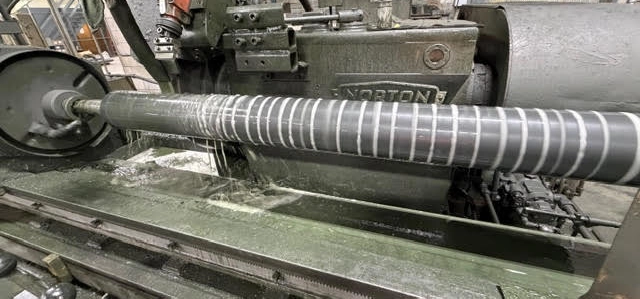
Resurfacing involves removing the old ceramic and preparing the underlying component for a new coating. The required preparation depends on its condition and the accepted service scope. Any additional work should be understood before production proceeds.
step 04
apply ceramic & re-engrave
Aalberts uses chromium oxide ceramic and fiber-optic laser engraving. The new engraving is produced to the specification agreed for the application. Confirm the requested line screen, cell volume, and geometry during the technical review.
step 05
review engraving documentation
MicroDynamics inspection supports documented engraving measurements. Confirm the information supplied with your serviced roll or sleeve so your team can retain the relevant records for identification, setup, and future service decisions.
service planning
information that makes a resurfacing quote more useful
| information to provide | why it matters |
|---|---|
| roll or sleeve identification | connects the inquiry to the correct component |
| press make, model, and application | describes where and how the component will be used |
| dimensions and available drawings | supports review of the physical requirements |
| existing lpi, bcm, and geometry | establishes the known engraving specification |
| ink or coating system and substrate | gives context for the requested application |
| current problem and service history | explains the reason for resurfacing |
| photographs and measurement reports | helps communicate the existing condition |
| required delivery date | allows the team to discuss scheduling |
Missing some of these details? Send what you have. Explain which information needs confirmation, rather than estimating a specification or dimension.
resurface or replace
choose the approach that fits the component and the job
Resurfacing deserves consideration when you have an existing component that may be suitable for continued use. Replacement deserves consideration when its condition, design, or fit no longer supports the application.
The decision should compare more than the initial service price. Include any additional work, freight, spare-roll availability, and the effect of the delivery schedule on production. A lower quotation is useful only if the proposed component and timing meet your requirements.
Ask for a clear explanation of what the resurfacing quotation includes. If the condition of the component cannot be fully established from the initial inquiry, clarify how inspection findings could change the scope. This helps purchasing and production teams plan around the same assumptions.
questions to resolve before authorizing service
- is this roll or sleeve suitable for resurfacing?
- which engraving specification will be used?
- does the scope include any additional component work?
- what documentation will be supplied?
- what lead time applies to this particular order?
- what shipping or handling instructions should be followed?
making more of what already exists
Sustainable manufacturing isn’t only about what we make. It’s also about making the most of what already exists.
Resurfacing an anilox roll renews its working surface while retaining components that remain suitable for reuse. This helps customers extend equipment life and reduce the need for new materials associated with a complete replacement.
By making more of existing assets, resurfacing supports the principles of a circular economy: reuse components, extend product life, conserve resources, and avoid unnecessary replacement.
why Aalberts
coating, engraving & inspection experience in one service discussion
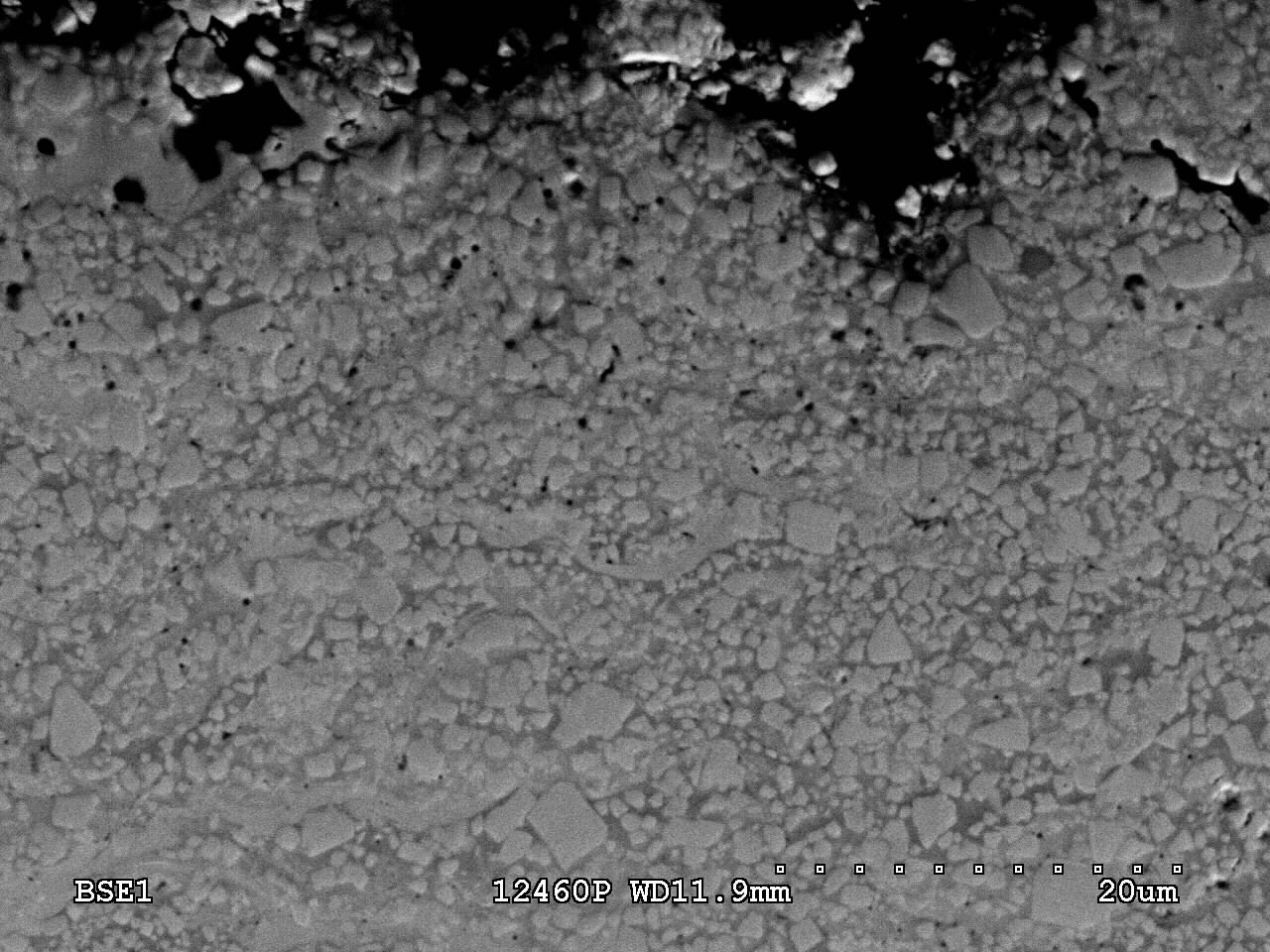
Aalberts brings an on-site machine shop and established printing-industry experience to anilox resurfacing. Our ceramic coating is tested to 1,400 Vickers hardness with 2% or less porosity. Laser engraving and MicroDynamics inspection support the renewed working surface.
For your team, the value starts with a well-defined requirement. Bring the existing component information, explain the production objective, and discuss a service scope that addresses both.
shipping offer
free inbound shipping for anilox rolls
available in the continental u.s. on shipments of 5 or more narrow web rolls or 3 or more wide web rolls.
ready to evaluate your existing anilox roll?
Tell us what you have, why you are considering resurfacing, and when you need it. We will help you discuss the next step for your roll or sleeve.
request a resurfacing quotefaq
frequently asked questions about anilox resurfacing
can an existing anilox roll be resurfaced?
an existing roll may be a candidate for resurfacing, depending on its condition and the intended application. provide its identification, dimensions, available specification, and damage information for review. suitability needs to be established for the individual component.
can Aalberts resurface an anilox sleeve?
Aalberts offers resurfacing for rolls and sleeves. include the sleeve construction, dimensions, and condition with your inquiry. the service approach and suitability depend on the particular sleeve.
can i request a different engraving during resurfacing?
yes, you can request a specification review for a changed application. include the desired lpi, bcm, or geometry if known, along with the ink or coating and substrate. the technical review determines the feasible specification; do not assume every requested change is available.
is resurfacing the same as cleaning?
no. resurfacing replaces the ceramic working surface and creates a new engraving. cleaning addresses contamination in an existing surface. if the reason for poor performance is uncertain, discuss the available condition information before selecting a service.
is resurfacing always less expensive than replacement?
the comparison depends on component condition and service scope. request a quotation for the specific roll or sleeve and consider additional work, freight, timing, and replacement requirements. a fixed saving cannot be assumed for every component.
how long does anilox resurfacing take?
lead time must be confirmed for your order. provide the required delivery date when requesting a quote, particularly when the component is needed for a scheduled job or production interruption.
what if i do not know the original engraving specification?
send the identification and records you have, together with the intended application. explain which details are missing. the team can discuss what information or evaluation is needed before agreeing the service specification.
what inspection information should i request?
ask which engraving measurements and records will accompany the serviced component. keep those documents with its identification and specification so future inquiries begin with consistent information.